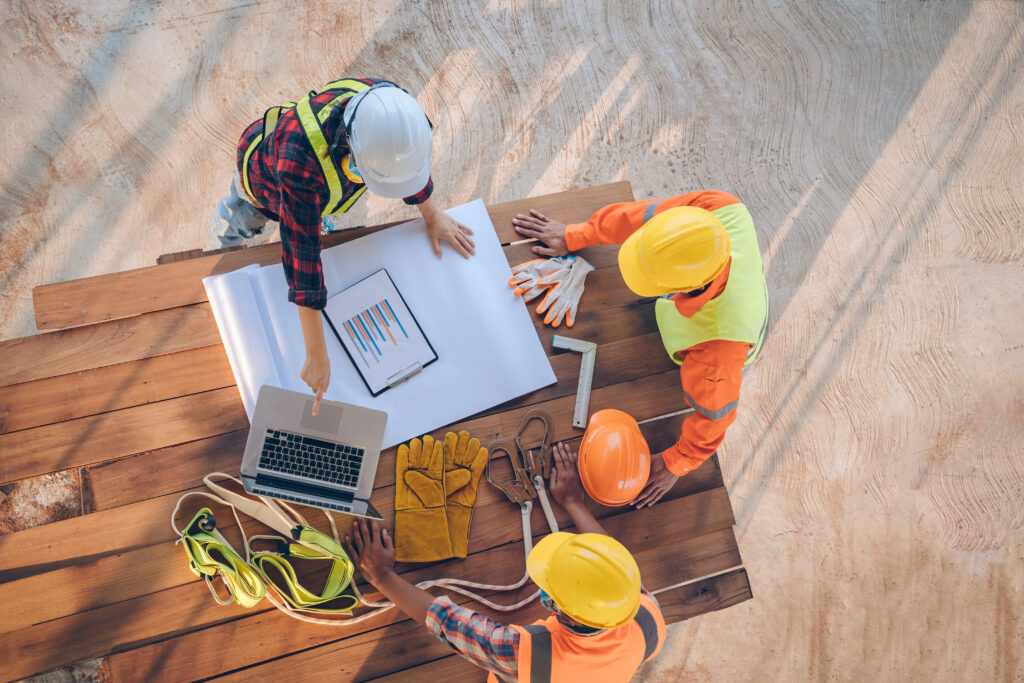
The Problem Usually Isn’t the Home — It’s the Process
Most people assume rebuilding a home in Tampa Bay, Florida just takes a long time. But in many cases, it’s not the house itself causing the delay.
It’s the way the project is built.
Most traditional builds happen step by step on-site. One delay pushes everything behind it. Crews wait on each other. Weather interrupts progress. Materials sit exposed. Weeks quietly turn into months.
What actually works better is a smarter building process — one where major parts of a home are completed in a controlled environment while work continues on your property at the same time. That shift is one of the reasons why Rapid Rebuild Homes can help homeowners move from planning to completion in as little as 6–8 months.
Building the Home While the Site Moves Forward
One of the biggest reasons traditional projects drag out is that too many steps happen in sequence. First this. Then that. Then the next crew. Then the next inspection.
Every gap adds time.
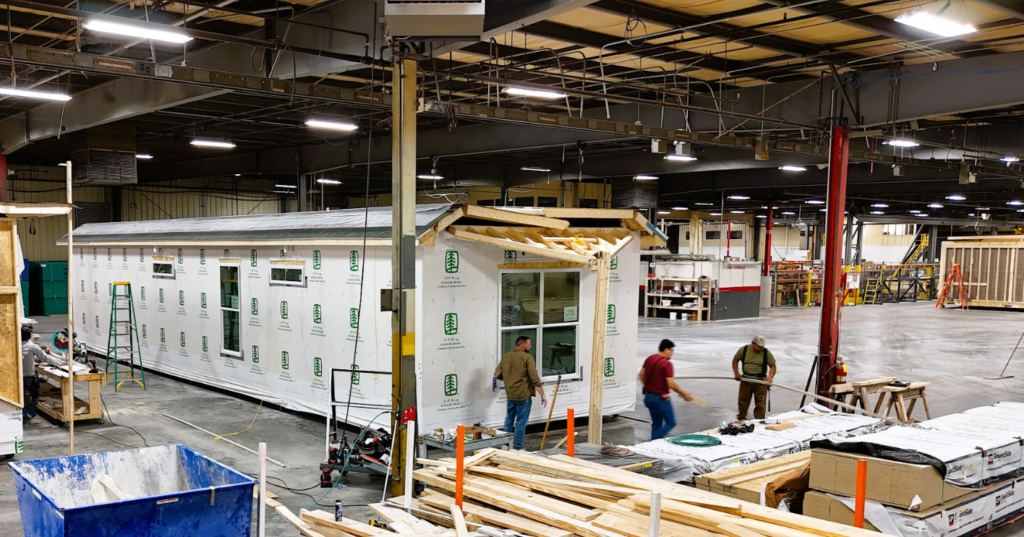
With a faster rebuild approach, your land does not have to sit idle while your home is being prepared. While precision off-site construction is underway, clearing, foundation work, utilities, permitting, and elevated house planning can move forward on the property.
Instead of waiting for one phase to finish before the next begins, the entire project is coordinated to keep momentum moving. That means fewer dead zones in the schedule, fewer handoff delays, and a much clearer path from “we’re ready” to “we’re home.”

Why Weather Shouldn’t Control Your Timeline
Another reason home builds often take longer than expected is exposure. When every major part of the build happens outdoors, weather becomes a constant risk — especially for homeowners rebuilding near the coast in Tampa Bay, Florida.
Rain, wind, humidity, and material exposure can slow progress before the home is even dried in.
A more efficient building process removes a lot of that uncertainty. By completing major portions of the home indoors, materials are better protected and progress is less dependent on daily jobsite conditions.
That creates a steadier schedule and helps avoid the stop-and-start pattern that makes traditional builds so frustrating. For homeowners looking for a reliable coastal home builder, this means more predictability, less stress, and fewer surprises along the way.
What This Means for Your Rebuild
The fastest path home is not about rushing the work. It’s about removing the delays that should not be there in the first place.
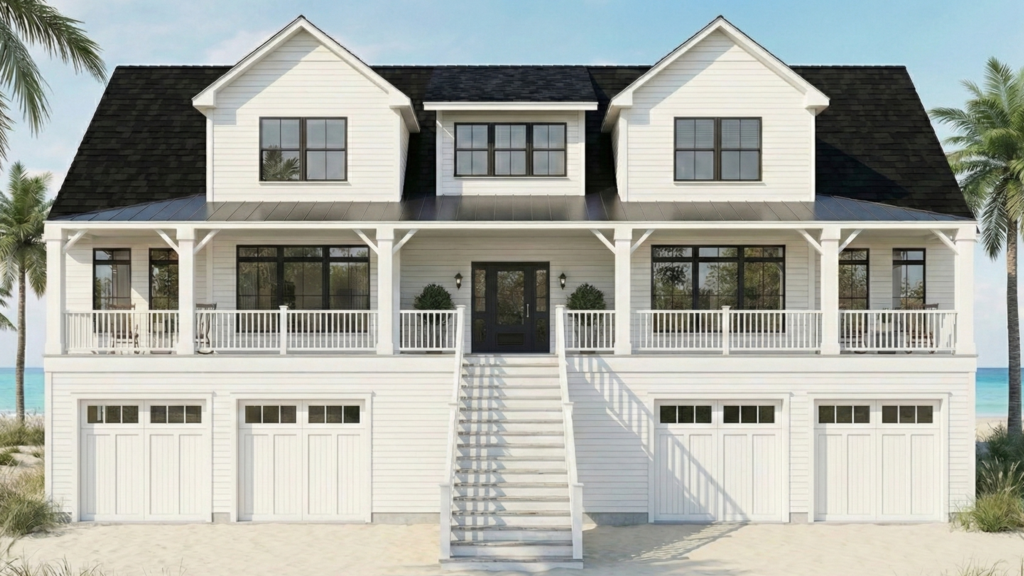
A well-planned process keeps the project moving in parallel, protects the home during key stages of construction, and gives you flexible, custom-like layout options without the cost and timeline of a full custom build.
That is how you get a durable, hurricane-resistant home built with less waiting, less confusion, and a smoother experience from start to finish.
If you’re trying to understand what a realistic rebuild timeline could look like for your property in Tampa Bay, Florida, the best next step is to map it out before you make any big decisions. As a coastal home builder focused on faster, more efficient rebuilding, we can walk you through the process, the timeline, and the options available — so you know what to expect and can plan with confidence.
Frequently Asked Questions
Why do most home builds take longer than expected?
Three things stack up: permitting waits, weather delays, and trade scheduling. On a traditional site build each trade has to finish before the next can start, so a single rained-out week or a subcontractor who doesn’t show pushes the whole chain back. Those delays are why a comparable coastal custom home commonly runs 15 to 24 months.
How does weather delay a traditional build?
On an open lot, rain and wind stop framing, soak lumber, and idle crews, and every lost day cascades into the trades scheduled behind them. A factory-built home is assembled indoors in a climate-controlled facility, so the build never waits on Florida weather — one of the biggest reasons the timeline is more predictable.
Why does trade scheduling cause delays?
Site building is sequential: foundation, then framing, then mechanicals, then finishes, each waiting on the one before it and on a subcontractor being available that week. Modular construction runs those steps in parallel — the factory builds the home while the pile foundation is installed on your lot at the same time — which removes most of the waiting.
How does the factory timeline compare?
A factory-built coastal home is delivered in six to eight months end-to-end, with three to four months of that being construction. Because the home and the foundation are built at the same time instead of one after the other, the process runs roughly half the length of a comparable site-built coastal home.
Does building faster mean cutting corners on quality?
No — it’s the opposite. Because each module must ride a truck and hang from a crane without cracking a seam, it’s reinforced beyond typical site framing and built to 180 mph design winds for the structure and 160 mph for windows and doors under Florida Building Code 2023. The factory build is verified against the engineered drawings by an independent inspection facility, and your local building department inspects the work on site.