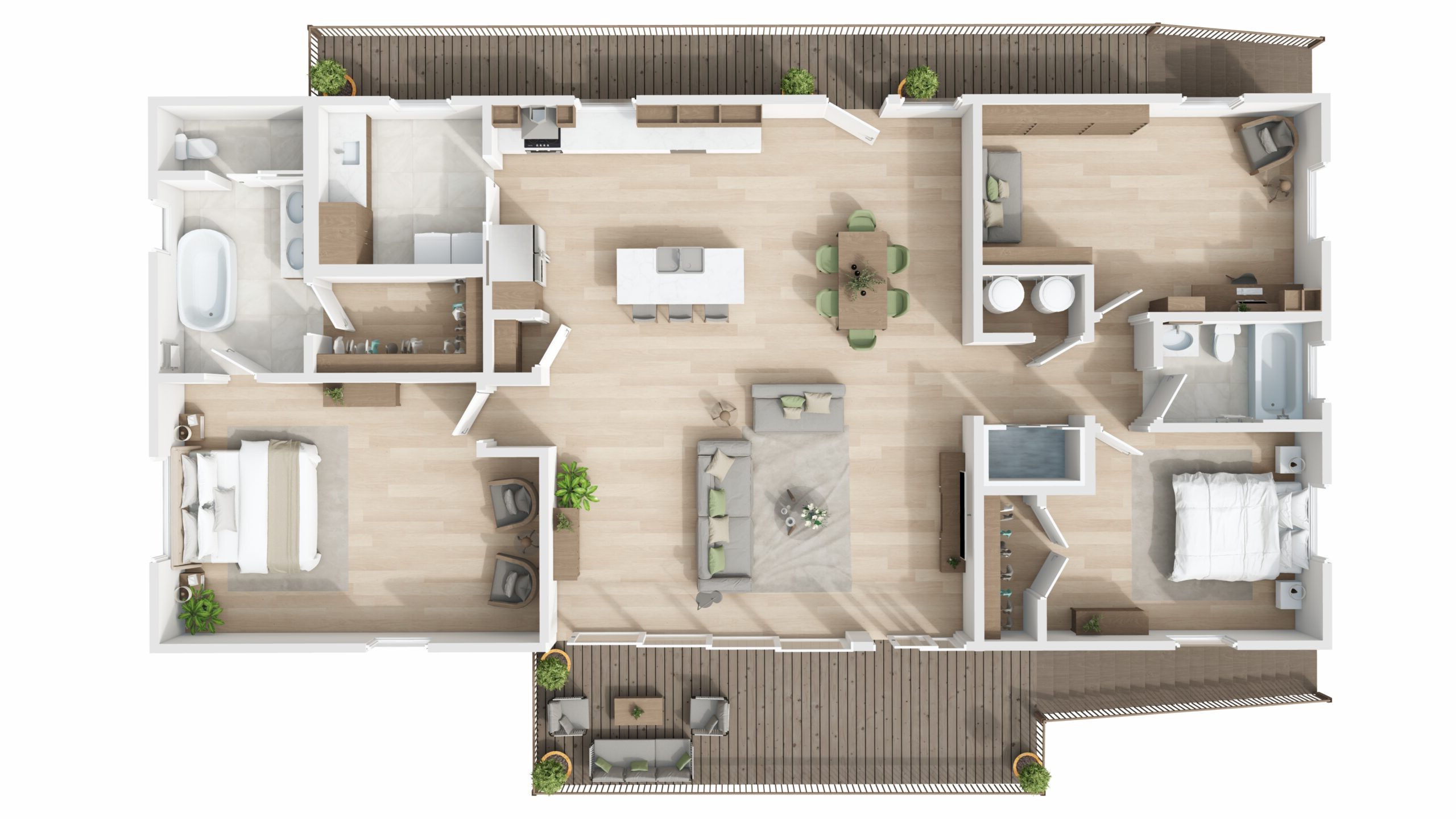
Most people pick a floor plan first
Then they try to force that plan onto the property.
That’s usually where delays, redesigns, and added costs begin.
A home can look perfect on paper, but once it meets real land, things change quickly. Setbacks, driveway access, elevation requirements, utilities, flood zones, and local codes can all affect what can actually be built.

What works better is starting with the property first
When the lot is reviewed before the plan is chosen, the entire project becomes easier to map out. You get a clearer sense of what layout fits, what adjustments may be needed, and how to avoid problems before they slow the build down.
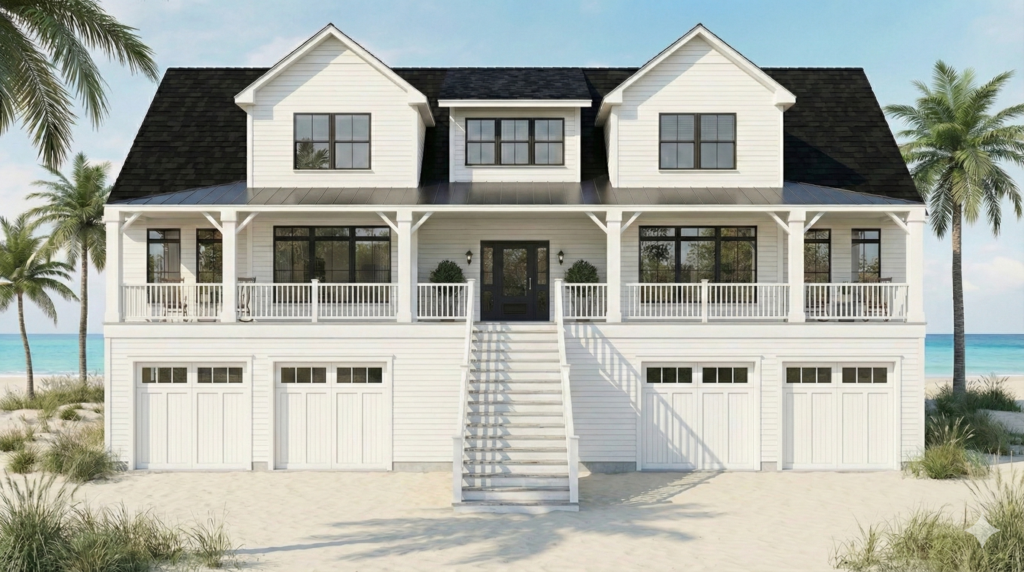
This is especially true in coastal areas like Tampa Bay, Florida, where an elevated house may be required or strongly recommended. A plan that ignores elevation, drainage, storm exposure, or access can create unnecessary friction later.
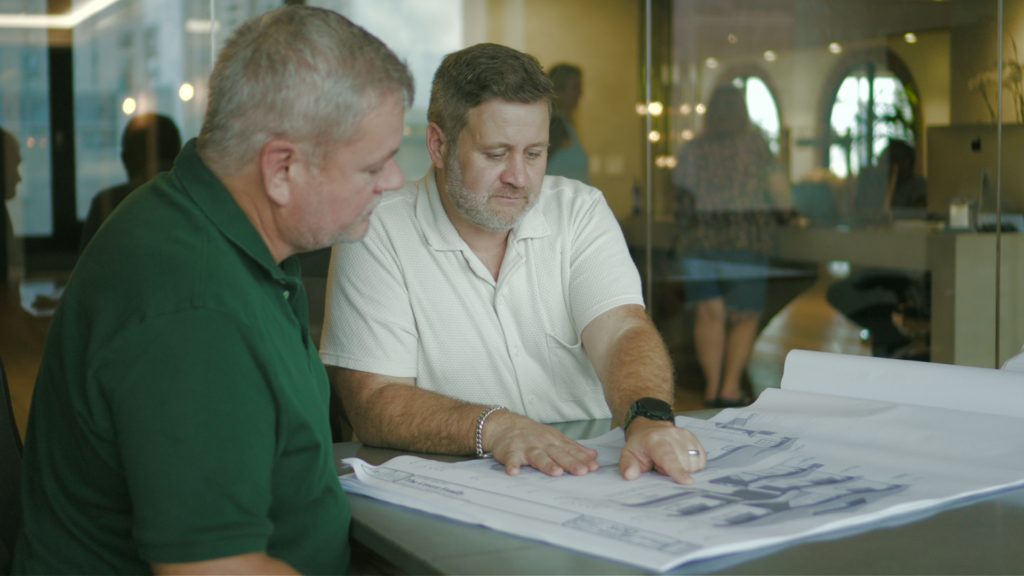
A smarter approach is to design around the site from the beginning
That means choosing a layout that works with the land, supports faster approvals, and fits the way you actually want to live.
This is also where a more efficient building process can make a major difference. With precision off-site construction and coordinated site planning, the home and the property are aligned much earlier than in a traditional build.
Instead of waiting for problems to show up during construction, the process is built to reduce surprises upfront.
The goal is not just to build faster
It is to build with more clarity.
For many homeowners, especially those rebuilding after storm damage or looking for a faster path forward through Rapid Rebuild Homes, that clarity can make the entire experience feel less overwhelming.
You still get flexibility in the layout. You still get a home that feels personal. But you avoid the full custom timeline, cost, and uncertainty that often come with starting from scratch.

Find out what your lot can actually support
If you are looking at a property or trying to understand what kind of home would actually work on your lot, the best next step is simple:
Let’s map out what your site can support, what layout options make sense, and what could help you move forward with fewer delays.
Frequently Asked Questions
Why can’t I just pick any home plan I like?
Because the lot decides what fits before the floor plan does. Setbacks, the flood zone and Base Flood Elevation, and the soil that dictates your foundation all shape the footprint and height. The right approach is to size the plan to the lot’s buildable envelope, then customize the layout and finishes inside it.
What are setbacks and how do they limit my plan?
Setbacks are the minimum distances a home must stay from the front, rear, and side property lines, set by your local zoning. They carve out the buildable area — the actual rectangle you can build within. A plan that looks perfect on paper won’t work if it spills past the setbacks, so the buildable area comes first.
How does the flood zone change which plan works?
In a coastal flood zone, the finished floor has to sit above Base Flood Elevation — typically two feet above it under Florida Building Code 2023. That means the living space starts one story up, and the ground level becomes parking, storage, or an enclosed lanai. Plans designed for elevated coastal living use that lower level intentionally instead of fighting it.
Do I need a special foundation, and does it affect the plan?
On most coastal lots, yes — an engineered deep-pile foundation that carries the home above the flood elevation and lets surge pass underneath. The pile layout is designed to the home’s structure and the soil conditions, so the foundation and the floor plan are engineered together, not chosen separately.
Can a factory-built home be customized to my exact lot?
Yes. The plan is tailored to your lot’s envelope, elevation, and orientation, and the finishes are yours to choose. The home is then built in the factory to those engineered drawings while the pile foundation goes in on site — delivering a custom, code-compliant coastal home in six to eight months.