
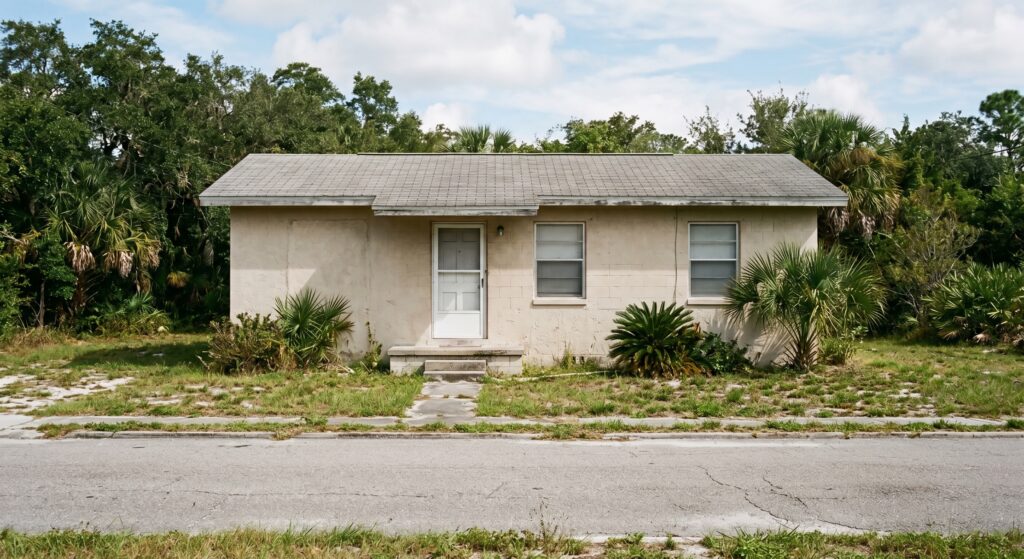
The biggest mistake buyers are making with waterfront properties right now is assuming they have to settle for the house that’s already there.
That used to be the reality.
If you wanted to live on the water, you bought what was available. In many cases, that meant older homes, lower elevation, outdated construction, aging systems, and layouts that no longer made sense. Buyers accepted the problems because the location was worth it.
But the market is shifting.
With more inventory available—especially properties that took on storm damage—many waterfront homes are now being purchased for the land, not the existing structure.
That creates an opportunity buyers haven’t seen in years.
Why Waterfront Buyers Are Rethinking Older Homes
For a long time, buyers felt stuck choosing between location and quality.
You could get the waterfront lot, but you had to accept the aging home that came with it. That often meant dealing with 50-year-old electrical systems, outdated plumbing, foundation concerns, low elevation, inefficient layouts, and possible air quality issues after storm damage.
Now, buyers are starting to look at these properties differently.
Instead of asking, “Can we make this old house work?” they’re asking, “What could we build here if we started fresh?”
That mindset changes everything.
A damaged or outdated waterfront home may not be the real value. The land may be. And when pricing adjusts because of storm damage or outdated construction, buyers may have the chance to secure a great location and rebuild with a smarter long-term plan.
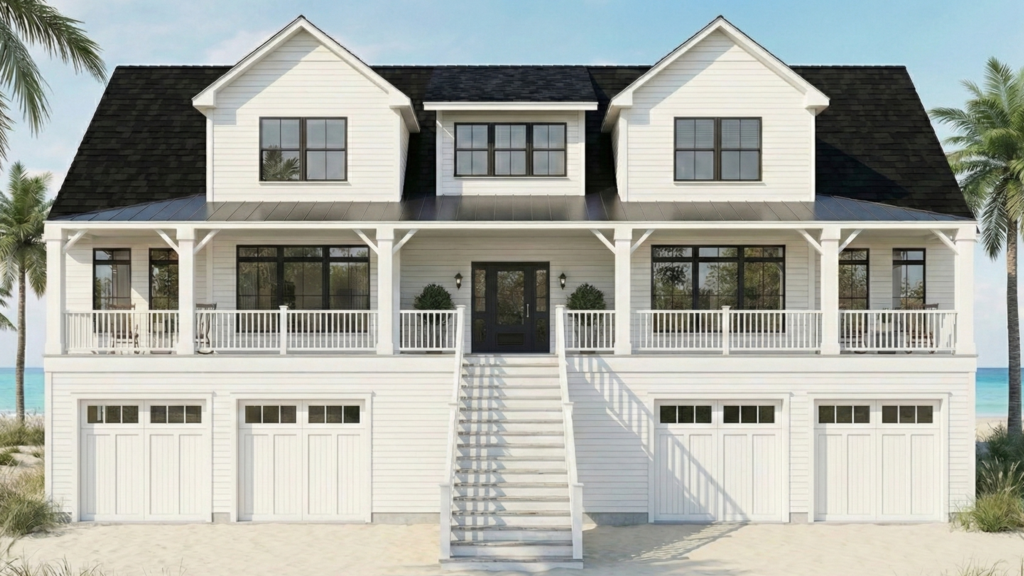
The Opportunity: Buy the Land, Build the Right Home
This is where rebuilding becomes a serious option.
Rather than renovating an older structure with hidden problems, buyers can start fresh with a home designed for today’s coastal conditions. That could mean proper elevation, stronger materials, modern layouts, better energy efficiency, and construction built around current codes.
For many buyers in Tampa Bay Florida, this opens the door to building an elevated modular home on a waterfront lot that may have been out of reach just a few years ago.
Instead of inheriting someone else’s problems, you get a clean start.
No patching old plumbing.
No working around outdated electrical.
No trying to fix a foundation that was never designed for today’s requirements.
No spending money on a renovation that still leaves you with an older home.
Why Elevated Modular Homes Make Sense on Waterfront Lots
Waterfront properties come with unique challenges. Flood zones, elevation requirements, permitting, access, wind exposure, and local building codes all matter.
That’s why many buyers are now exploring modular homes options, especially when rebuilding on coastal or storm-damaged lots.
A well-planned modular home can be designed around the property from the beginning. When paired with the right foundation and elevation strategy, it can help create a more efficient path from purchase to finished home.
For waterfront lots, modular stilt homes is a strong option. These homes are designed to sit above flood-prone areas while creating usable space underneath and helping meet elevation requirements.
Working with an experienced coastal home builder can help you understand what is realistic before you commit to the property.
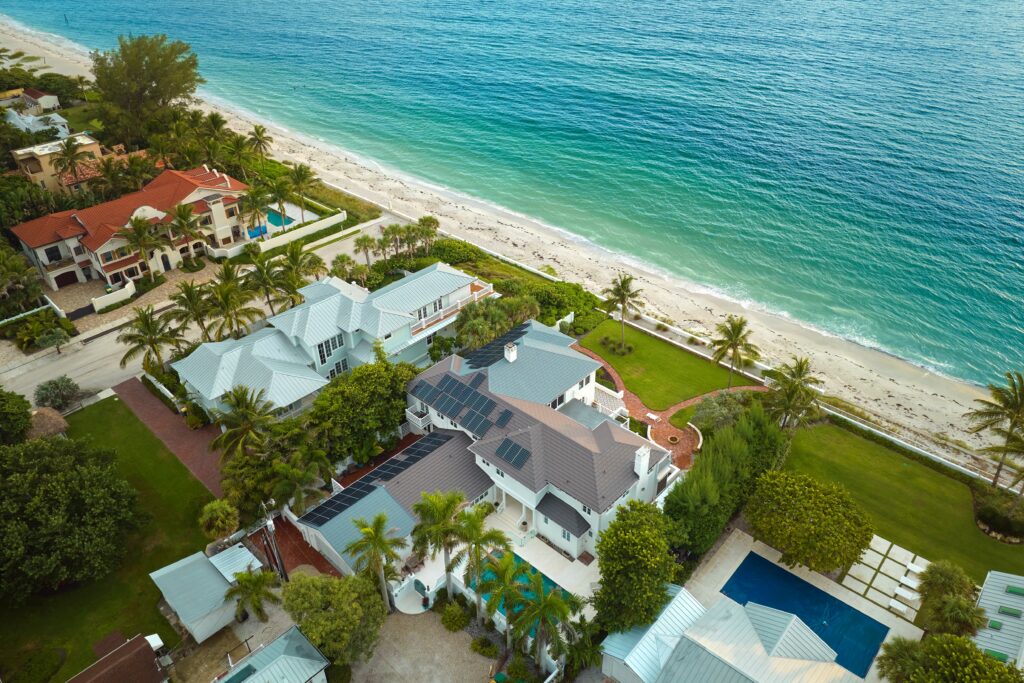
What Buyers Should Know Before Making an Offer
The biggest mistake is not just buying the wrong house.
It’s buying the wrong property without understanding what it will take to rebuild.
Before making a move, buyers should know what the lot allows, what elevation may be required, what demolition could cost, what utilities need to be considered, and what kind of home can realistically be built there.
This is especially important in coastal areas where codes, flood zones, and permitting can impact the entire project.
A knowledgeable coastal home builder can help evaluate the rebuild potential of a specific lot before you buy. That way, you’re not guessing. You’re making the decision with a clearer picture of the total cost, timeline, and path forward.
For buyers recovering from storm damage or looking for a faster rebuilding option, the Rapid Rebuild Homes Program can help simplify the process by walking through rebuild potential, estimated costs, elevation requirements, and construction options.
You Don’t Have to Choose Between Location and a Better Home
For the first time in years, many buyers may be able to have both: the waterfront location and a home built for modern coastal living.
That is the real shift happening right now.
You are not limited to the outdated structure already sitting on the lot. You can buy the property, start fresh, and build something that actually makes sense for today.
A properly planned hurricane proof home starts with understanding the land, the elevation, the local requirements, and the right building method for the site.
If you’re looking at waterfront properties, or even just thinking about it, it’s worth talking through what rebuilding would realistically look like on a specific lot before making a move.
We’re offering free consultations to walk through the rebuild potential, estimated costs, elevation requirements, and the best path forward before you commit to anything.
Frequently Asked Questions
What is the biggest mistake waterfront buyers make?
Assuming the existing house can simply be renovated. Many older waterfront homes sit below today’s Base Flood Elevation, and once storm or renovation costs cross 50 percent of the structure’s value, the local building department requires the whole home to be brought up to current flood and elevation code. Buyers who don’t check this before closing get surprised by a full rebuild.
What is Base Flood Elevation and why does it matter?
Base Flood Elevation (BFE) is the height floodwater is expected to reach in a major flood, set by FEMA for your specific parcel. In coastal Florida, a new or rebuilt home’s finished floor generally has to sit above BFE — typically two feet above it under Florida Building Code 2023. It drives how high the home must be elevated and, in turn, your flood-insurance cost.
What is the 50 percent rule?
If the cost to repair or improve a home reaches 50 percent or more of its market value, excluding land, it’s considered substantially improved and must meet current flood-elevation code — the same as new construction. On an older, low-lying waterfront home, storm damage often blows past that threshold, which means elevating the home is the real path forward, not a patch-and-paint.
How do I know what I can actually build on a waterfront lot?
Three things set the envelope: the flood zone and Base Flood Elevation, the local setbacks, and the soil conditions that determine the pile foundation. Together they decide how high the home sits, where it can go on the lot, and its footprint. It’s worth confirming all three before you buy — not after.
Is it better to rebuild elevated than to renovate a low home?
On the water, usually yes. A home elevated above Base Flood Elevation on an engineered pile foundation lets storm surge pass underneath instead of through it, and it typically lowers flood-insurance premiums. A factory-built elevated home can be delivered in six to eight months, which often makes rebuilding more practical than pouring money into a house that still sits too low.