America Is 4 Million Homes Short
America needs more homes—and it needs them faster.
Across the country, families are dealing with limited housing supply, rising demand, and construction timelines that keep stretching longer than expected. According to recent market data, the U.S. is currently about 4 million homes short of buyer demand.
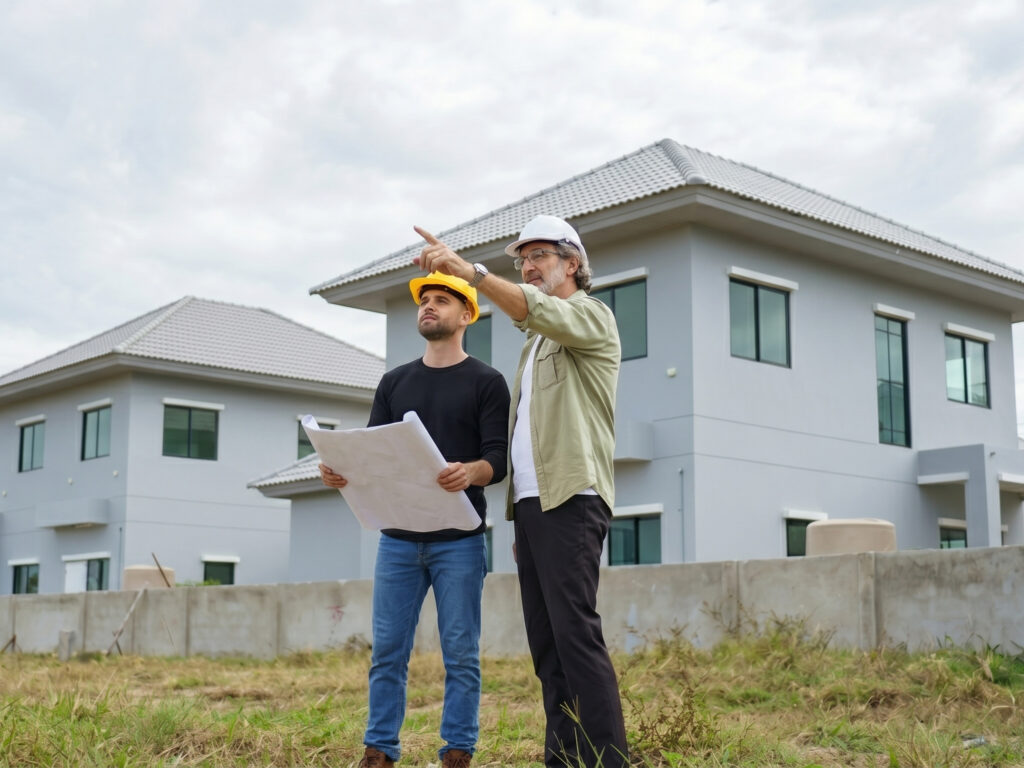
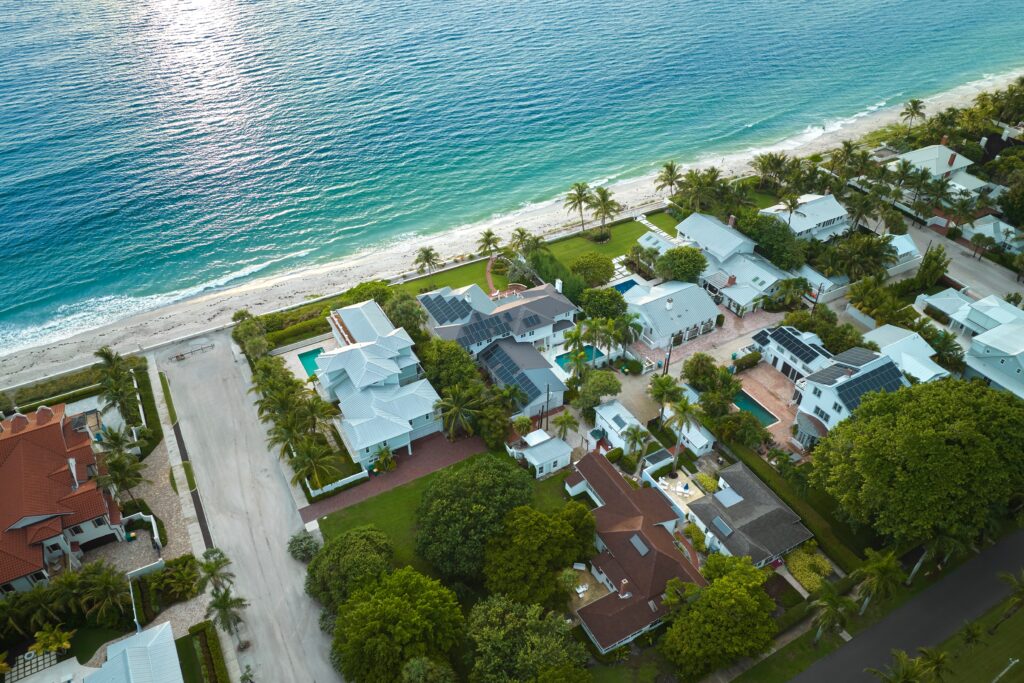
In places like Tampa Bay, Florida, the challenge is even more complex. Homeowners are not just thinking about cost and location. They are also navigating flood zones, storms, elevation requirements, insurance concerns, and stringent coastal building codes.
Most people assume the housing shortage is only a land problem or a money problem. In many cases, it is also a time problem.
Traditional Construction Takes Time
A traditional stick-built home can take 12 to 18 months from permit to move-in. That timeline can grow quickly when weather delays, subcontractor gaps, material shortages, inspections, and scheduling conflicts get involved.
The main issue is how the process is structured. Traditional construction usually happens one phase at a time:
- Site work
- Framing
- Roofing
- Electrical, plumbing, and HVAC
- Drywall and finishes
Each step depends on the one before it being completed. When one phase slows down, the entire project can slow down with it. For homeowners trying to rebuild after storm damage, those delays can become frustrating and expensive.
Why Modular Construction Changes the Process
A modular home is built using a fundamentally different approach.
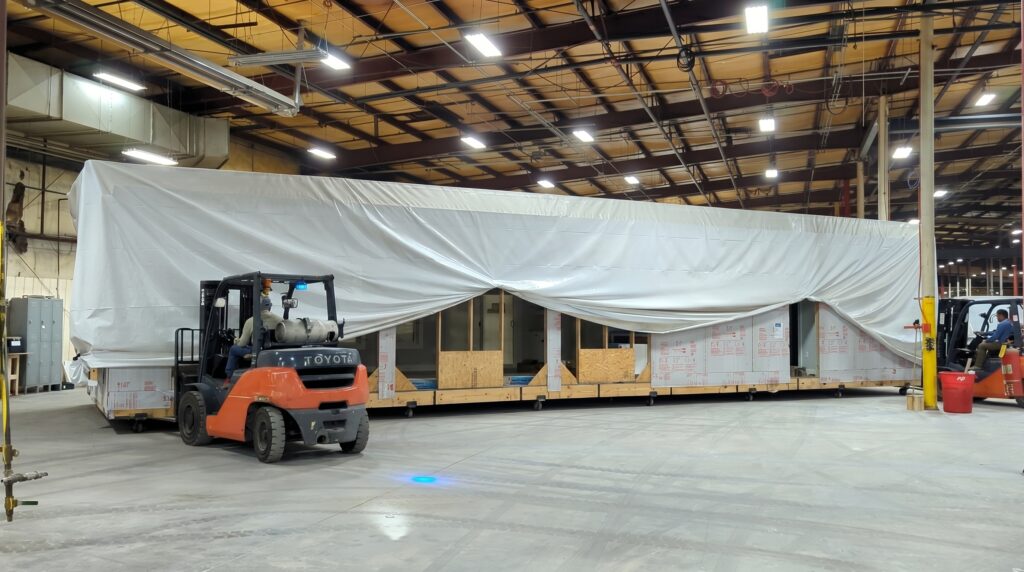
Instead of completing nearly every phase at the job site, major components are built off-site in a controlled environment. At the exact same time, site preparation, foundation work, utilities, and permitting steps can continue moving forward on your lot.
That overlap is what changes the timeline.
A modern modular home contractor can help reduce unnecessary waiting by moving parts of the project forward simultaneously, rather than forcing every step to happen in sequence. For homeowners exploring modular homes in Florida, this is especially valuable. Florida projects require careful planning around wind ratings, flood zones, elevation, coastal codes, and storm-resistant construction details.
The goal is not to rush the build. The goal is to make the process more efficient from the very beginning.
Traditional Build vs. Rapid Rebuild Homes
With a traditional build, the project moves step-by-step. One trade finishes before the next begins, leaving the entire schedule vulnerable to weather, subcontractor availability, and material delays. Over time, those delays create room for budget changes and unexpected issues.
The Rapid Rebuild Homes program is designed around a more efficient path. Because major components are built off-site in a weather-controlled environment while site work moves forward simultaneously, this parallel process helps:
- Reduce costly delays
- Create a clearer scope of work
- Give homeowners a more predictable experience
This approach helps projects move toward completion in approximately 6 to 8 months, depending on permitting, site conditions, design selections, and local requirements. For anyone searching for a modular home company or coastal home builder in Tampa Bay, Florida, the biggest advantage is not just the home itself—it is the process behind the build.
Building Smarter for Coastal Florida
In coastal areas, speed is only part of the equation. Homes also need to be built for the realities of Florida living.
Many homeowners need an elevated house or stilt home because of flood zones, storm surge risk, insurance requirements, or local building codes. A qualified builder must understand how elevation, foundations, wind resistance, materials, and inspections all work together.
Some people search for “hurricane-proof homes,” but no home should be casually described as completely hurricane-proof. The better question is: Is the home properly designed and engineered for its specific location?
That means building to the right code, using the right foundation, planning for the right elevation, and making sure the home meets local requirements from day one.
The Housing Shortage Needs a Better Process
The housing shortage will not be solved by building the exact same way and hoping projects move faster. It requires a better process—one designed around efficiency, predictability, and smarter planning.
That is why modular construction and off-site building methods are becoming more critical. They help reduce delays, simplify coordination, and give homeowners a clearer path from permit to move-in. For families in Tampa Bay, Florida, that difference can mean getting into a safe, beautiful home months sooner.
Curious What a Faster Build Looks Like?
If you are considering a modular home, the first step is understanding the timeline—and what your project could realistically cost.
We created a simple phase-by-phase guide that compares traditional construction with our faster modular building process.
Get your free estimate and get a clearer idea of your options, timeline, and next steps. No pressure. Just clarity, guidance, and a better way to start planning your home.